Planning a mobile catering unit? Seven things to consider before you build
There's something exciting about creating a mobile catering business.
Whether you're developing a street food concept, expanding an established restaurant or planning a mobile coffee operation, a bespoke unit offers the opportunity to create a workspace around the way you want to trade.
But before choosing the exterior colour or finalising the branding, there are several practical decisions worth getting right.
From equipment and storage to power requirements and serving arrangements, the choices made during the planning stage can have a significant impact on how the finished unit performs.
Here are seven things to consider before commissioning your build.
1. Start with your menu, not your equipment
It's tempting to begin by choosing appliances.
But the most effective mobile kitchen layouts start with understanding what you'll actually be preparing and serving.
A pizza business will have different requirements from a coffee operator or a street food concept offering several freshly cooked dishes.
Think about your menu, preparation methods, service times and the number of orders you expect to handle.
Which ingredients need refrigeration? How much preparation space will you require? Will food be cooked to order or prepared in advance?
Your answers will help determine the equipment you need and how it should be positioned.
A well-designed kitchen should support your operation rather than force you to adapt your business around an unsuitable layout.
2. Think carefully about your working space
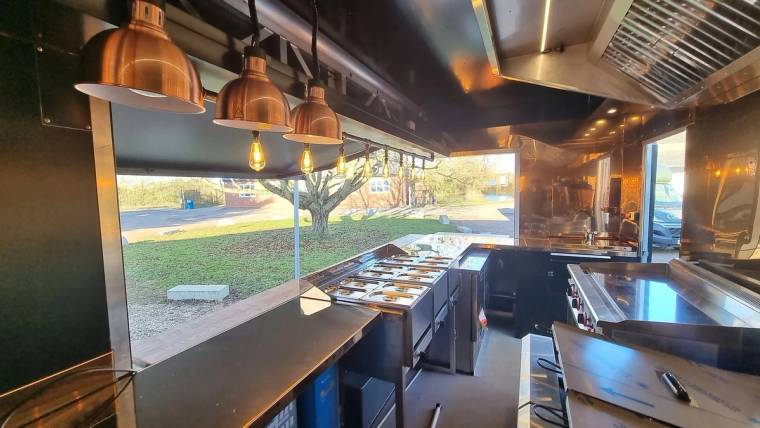
Mobile catering units often need to accommodate several functions within a relatively small footprint.
Cooking, preparation, storage, washing and serving may all take place within the same environment.
That makes layout particularly important.
Consider how staff will move between different workstations and whether equipment can be accessed comfortably during busy periods.
Think about where ingredients will be stored, where orders will be assembled and how completed food will reach the customer.
For businesses with multiple staff members, it's also worth considering whether people can work alongside each other without creating unnecessary congestion.
At AMOBOX, bespoke layouts can be developed around the intended workflow, helping make effective use of the available space.
3. Plan your power and fuel requirements early
Commercial catering equipment can place significant demands on a unit's power and fuel systems.
Refrigeration, coffee machines, cooking equipment, lighting and other appliances all need to be considered.
The right arrangement will depend on the equipment selected and where the unit is expected to operate.
Some locations may provide access to an external electrical supply, while others may require an independent power solution.
Gas-fired equipment introduces additional installation and safety requirements.
These decisions should be made early, because they can affect the layout, equipment specification and engineering of the entire unit.
4. Don't underestimate water, waste and storage
Water and waste systems may not be the most exciting part of a new mobile catering unit, but they're essential considerations.
Depending on the operation, you may need facilities for handwashing, equipment cleaning, food preparation and wastewater collection.
The size and positioning of water tanks, sinks and supporting equipment should be considered as part of the overall design.
Storage is equally important.
Where will ingredients, packaging, cleaning materials and spare supplies be kept?
Poorly planned storage can quickly make a compact workspace feel crowded.
Thoughtful cabinetry, shelving and under-counter storage can help make better use of the available space without interfering with daily operations.
5. Consider how customers will be served
Your serving area is one of the most important connections between your business and its customers.
Its design can influence queue management, staff movement and the overall experience.
Consider the height and position of serving hatches, where customers will place orders and how completed food or drinks will be handed over.
For some builds, bespoke features such as slide-out counters or fold-down serving areas can provide additional usable space.
Weather protection may also be important, particularly for businesses trading outdoors throughout the year.
The ideal arrangement depends on your service model, the type of unit and the locations where you expect to operate.
6. Make sure the unit works for your locations
A mobile catering unit needs to be suitable for the places where it will actually trade.
A large towable container might be ideal for one business but impractical for another operating at smaller markets.
Before choosing a format, consider access restrictions, parking arrangements, available pitch space and the frequency of relocation.
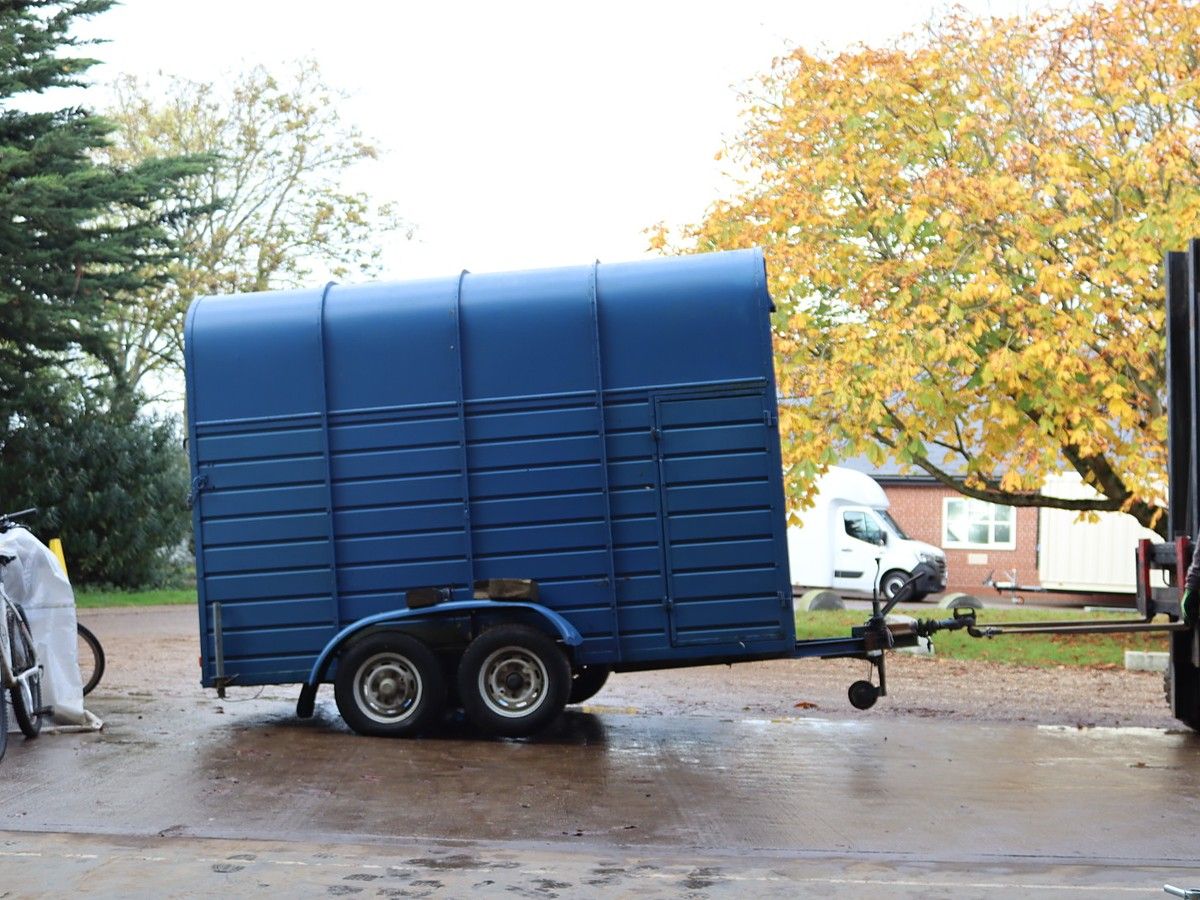
For trailers and vehicle conversions, towing limits, dimensions and weight distribution need particular attention.
It's also important to research any permissions or requirements associated with your intended trading locations.
In England, Wales and Northern Ireland, food businesses generally need to register with their local authority at least 28 days before trading begins.
Depending on where and how you operate, you may also need additional permissions, such as street trading consent.
7. Think about branding and future growth
A mobile catering unit is more than a workspace.
It's also a highly visible representation of your business.
The exterior design, signage, colours and finishing details all contribute to how customers recognise and remember your brand.
A distinctive appearance can help attract attention, particularly at busy markets and events where several businesses may be competing for customers.
But it's worth thinking beyond the launch.
Could your menu expand? Might you introduce new equipment? Will you need additional storage in the future?
While not every possibility can be anticipated, discussing your longer-term plans during the design stage can help create a more considered solution.
Bonus: experience the layout before it's built
One of the most useful things you can do during the design process is make sure you understand how the proposed space will actually feel.
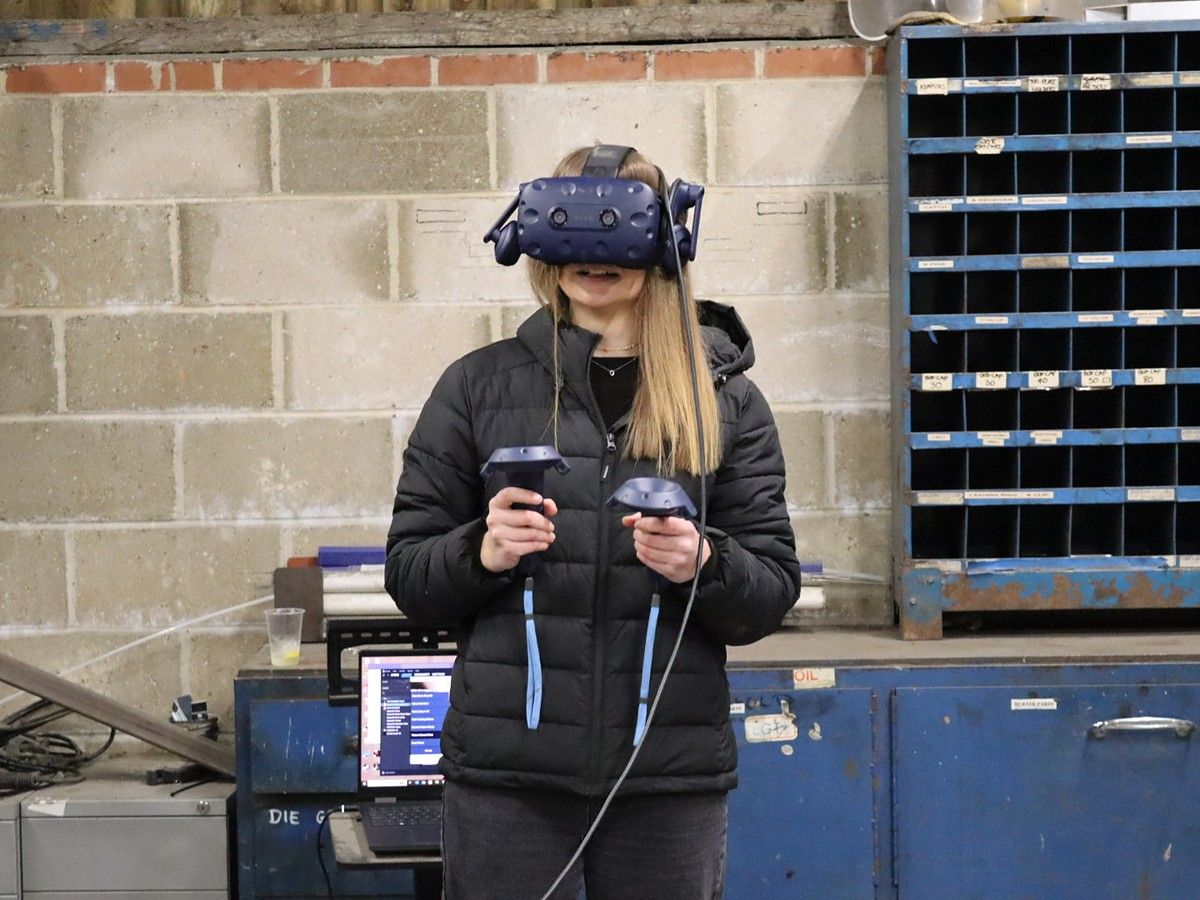
At AMOBOX, in-house designers can create virtual representations of bespoke builds, allowing customers to explore their proposed unit using VR technology.
Walking through the space before manufacture gives you the opportunity to consider counter positions, equipment access, storage and general workflow.
It's a valuable chance to request refinements while the project is still in the design stage.
Build around the business
A successful mobile catering unit starts with a clear understanding of the business it needs to support.
The right equipment, practical layout, suitable utilities and considered exterior design all contribute to the finished result.
Taking the time to plan these details before manufacturing begins can help create a unit that's not only visually impressive but genuinely practical to work in.
At AMOBOX, bespoke mobile catering units are developed around individual requirements, combining design, engineering and fabrication to bring each concept to life.