Food truck, trailer or container? Choosing the right mobile business setup
Starting a mobile business opens up a world of possibilities. Whether you're planning a street food concept, launching a coffee brand or creating a distinctive retail experience, one of the first decisions you'll face is choosing the right type of unit.
From converted vans and compact trailers to fully equipped towable containers, there's no single solution that works for everyone.
The right choice depends on how you plan to operate, where you'll be trading, what equipment you need and how you want customers to experience your brand.
Here's what to consider before making your decision.
Food trucks: freedom and flexibility
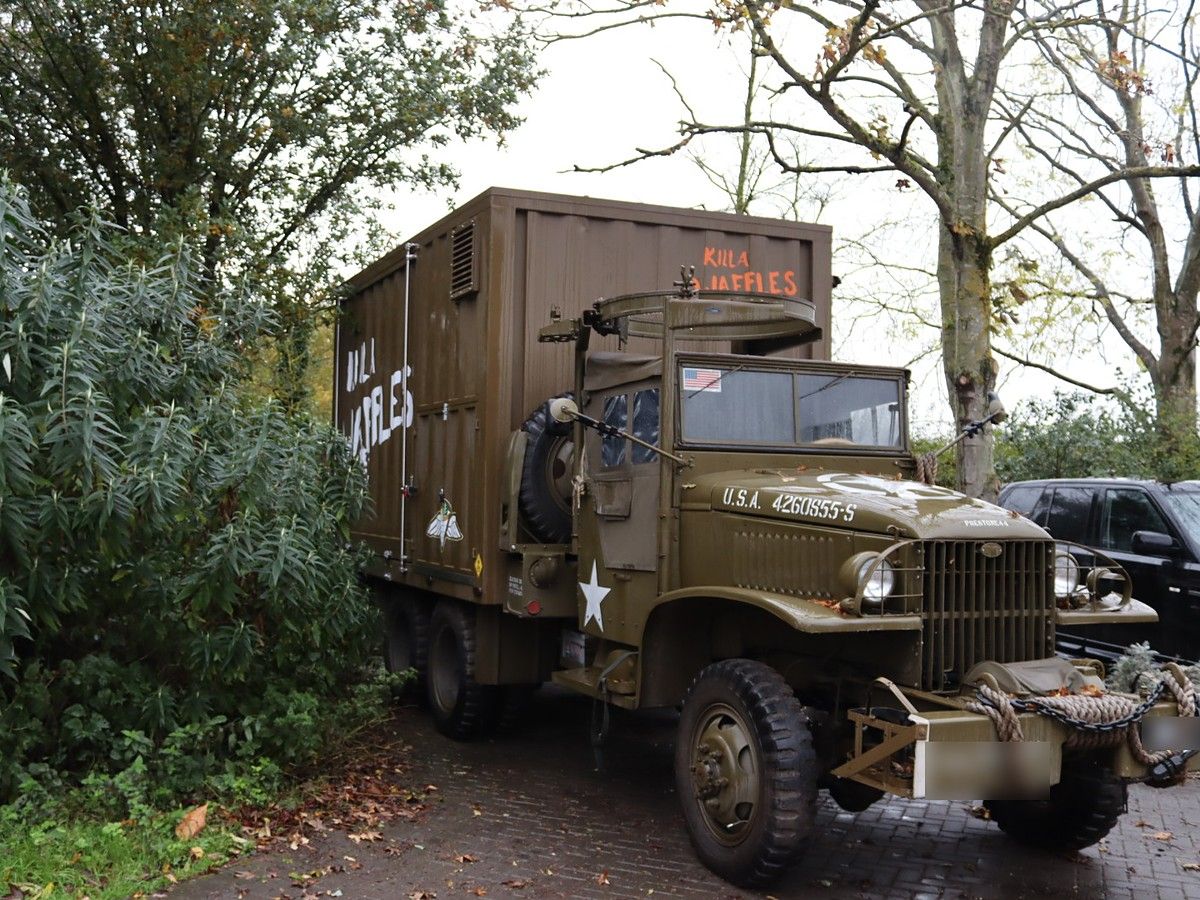
For businesses that regularly move between locations, a converted food truck can be an attractive option.
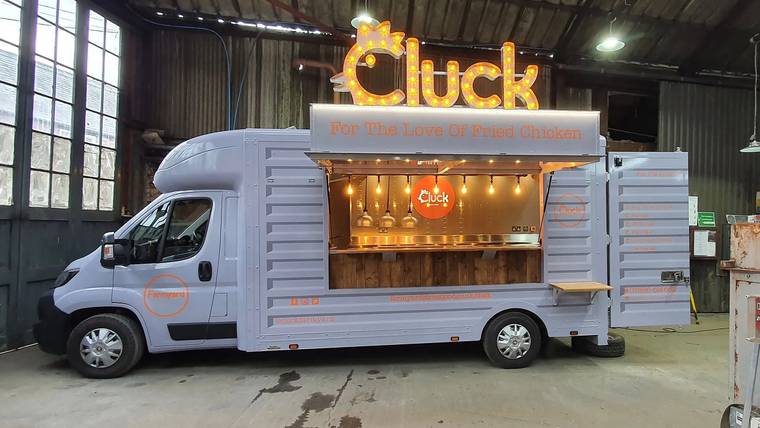
By combining transport and trading space in one vehicle, food trucks offer the flexibility to travel between markets, festivals, private events and established pitches.
They're particularly well suited to businesses that need a recognisable presence while retaining the ability to relocate.
Things to consider:
- The size and type of vehicle required for your operation.
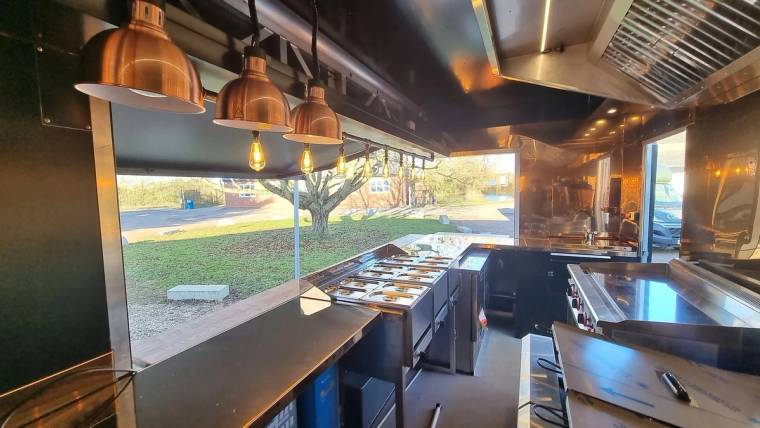
- Interior space for cooking, preparation and storage.
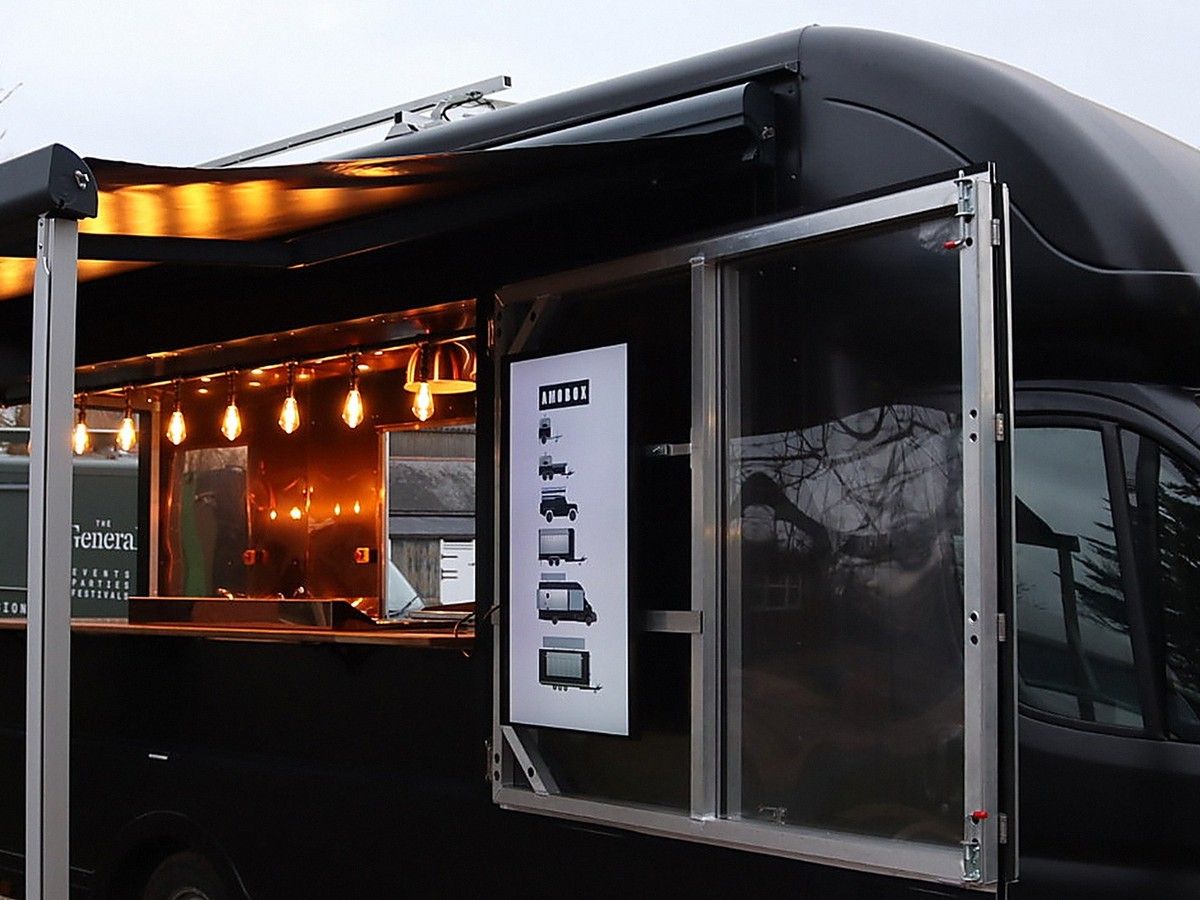
- Serving hatch positioning and customer flow.
- Vehicle access, parking and servicing requirements.
- Equipment weight and utility demands.
A successful conversion is about more than fitting equipment into a vehicle. The layout needs to support the way your team works, while making the most of the available space.
At AMOBOX, bespoke vehicle conversions are designed around the operation itself, bringing together functionality, appearance and practical engineering.
Trailers and Fieldboxes: character meets practicality
For businesses looking for something distinctive, towable trailers and Fieldboxes offer another approach.
Unlike a self-propelled food truck, a trailer can be positioned at a trading location and detached from the towing vehicle, where appropriate.
This can be particularly useful for businesses operating at regular events or locations.
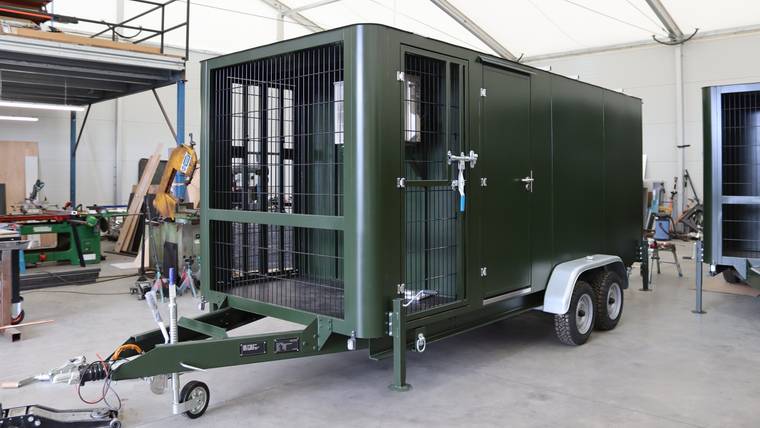
Fieldboxes also offer a distinctive aesthetic, combining the character of traditional horsebox-style structures with a modern commercial fit-out.
They can be configured for a variety of uses, from coffee and food service to bars and retail.
The available space may be compact, but thoughtful design can make a significant difference. Fold-down ramps, bespoke counters and carefully planned storage can help turn a relatively small structure into an effective working environment.
Micro kitchens: small footprint, big possibilities
Not every business needs a large vehicle or container.
For operators working with limited space, a Micro Kitchen can provide a compact alternative without sacrificing the essentials of a practical trading setup.
AMOBOX Micro Kitchens are designed around efficient use of space, with opening hatches, working surfaces and configurations tailored to the intended business.
Their versatility makes them worth considering for a range of concepts, including street food, coffee and smaller retail operations.
The key is identifying exactly what your business needs before deciding how the space should be arranged.
Towable containers: space to think bigger
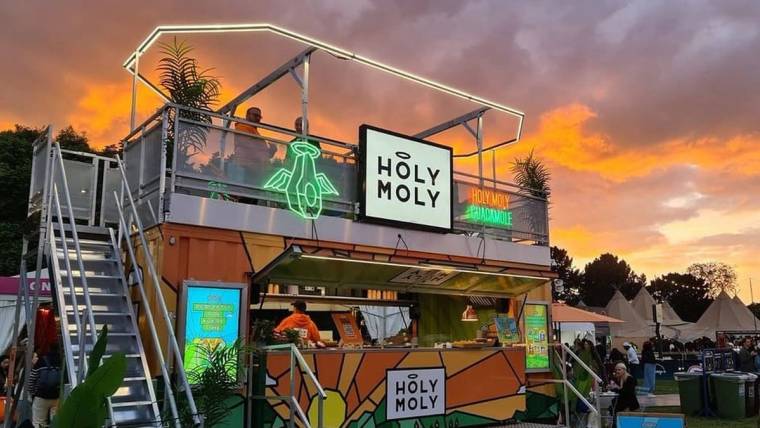
For businesses requiring more extensive equipment, storage or working space, towable containers offer a different set of possibilities.
Their larger footprint can accommodate more substantial layouts, making them suitable for commercial kitchens, bars, retail environments and branded experiences.
Bespoke engineering can also introduce additional features, such as fold-down platforms, slide-out counters and expandable working areas.
However, a larger unit brings additional considerations.
Towing requirements, overall dimensions, access to the intended site and weight distribution all need to be considered during the planning stage.
This is where specialist design and engineering become particularly important.
Five questions to ask before choosing
Before committing to a particular format, consider:
- 01
How often will you move?
A business trading at a different location every day may have different requirements from one operating at a permanent or semi-permanent pitch.
- 02
How much equipment do you need?
Your menu or product range will influence the space required for equipment, preparation, storage and utilities.
- 03
How many people will work inside?
A layout that works for one person may become difficult when two or three people are working simultaneously.
- 04
What experience do you want customers to have?
Your serving arrangement, exterior appearance and branding all contribute to how customers interact with your business.
- 05
What are your plans for the future?
Consider whether your chosen setup will accommodate changes to your menu, equipment or trading model.
There's no one-size-fits-all answer
The best mobile trading unit isn't necessarily the biggest, most expensive or most visually elaborate.
It's the one that works for your business.
A carefully designed Micro Kitchen may be ideal for one operator, while another business might benefit from the additional space of a towable container or the flexibility of a converted vehicle.
At AMOBOX, the process begins by understanding how a unit will be used, before developing a bespoke solution around those requirements.