Beyond the pop-up: why brands are investing in mobile experiences in 2026
In a world where consumers encounter hundreds of digital messages every day, creating a memorable brand experience has become an increasingly important part of marketing.
For brands looking to connect with people beyond a screen, physical experiences offer something different.
From immersive product launches and mobile showrooms to touring installations and interactive retail environments, brand activation is no longer limited to a promotional stand at an event.
And in 2026, the focus is increasingly on experiences that invite people to participate, explore and engage.
From advertising to experience
Traditional advertising communicates a message.
Experiential marketing gives people the opportunity to interact with it.
A customer might discover a product through a digital advert, but encountering that same brand in a thoughtfully designed physical environment creates a different kind of interaction.
They can see the product, speak to representatives, explore the space and experience the brand first-hand.
The value isn't necessarily in the size of the activation. It's in how successfully the experience connects with its audience.
A compact but carefully considered installation can be more engaging than a much larger space with little to offer visitors.
The rise of mobile brand activations
One of the advantages of a mobile brand activation is the ability to take an experience to different audiences and locations.
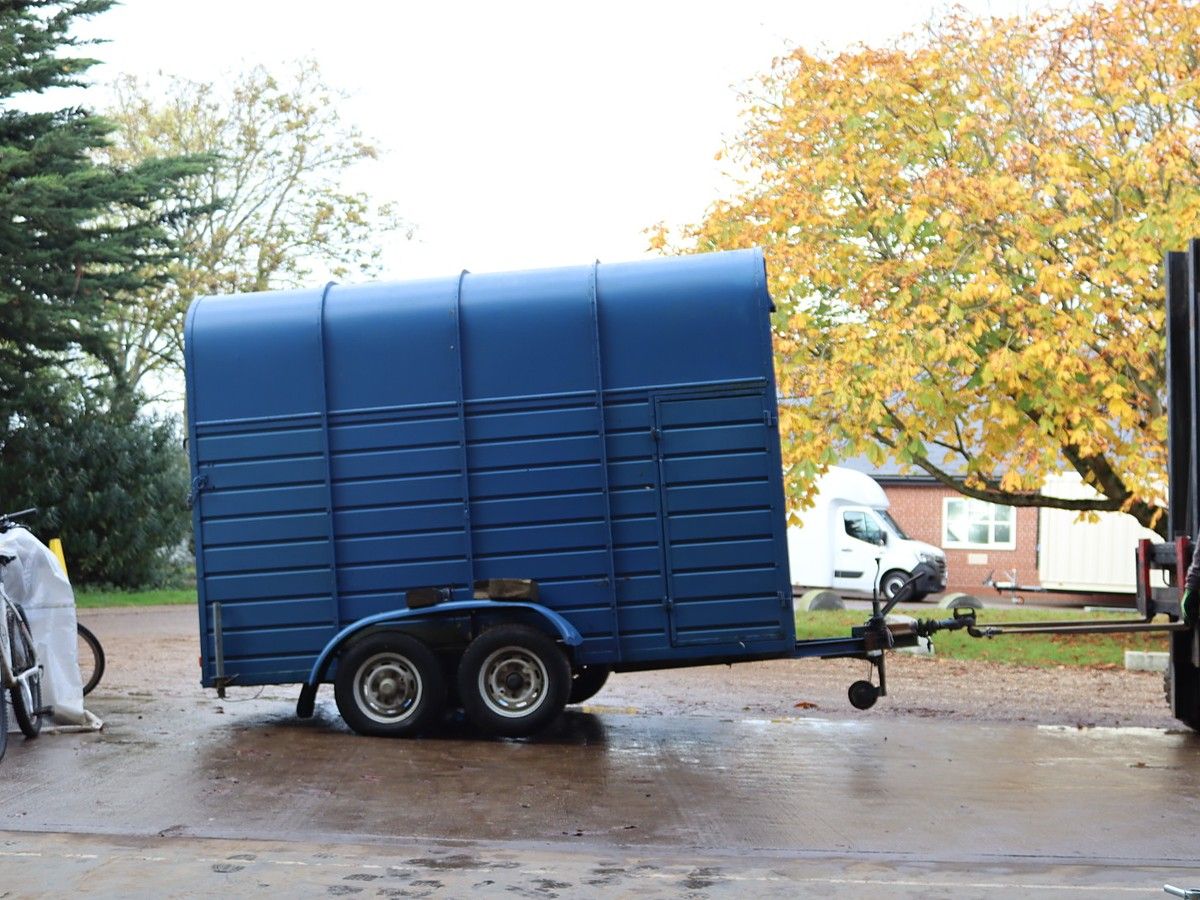
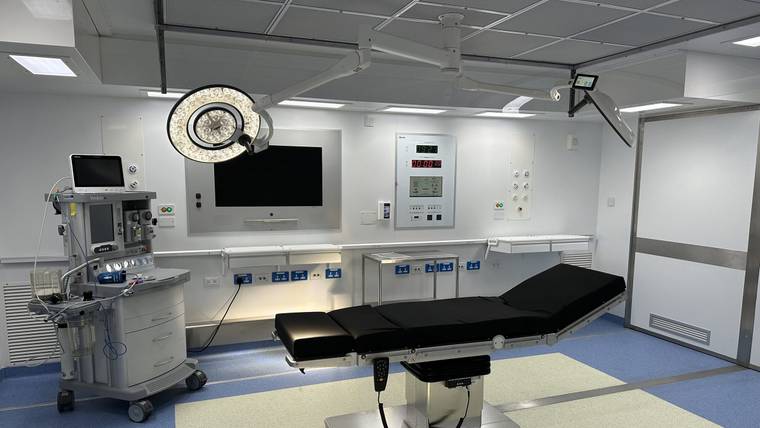
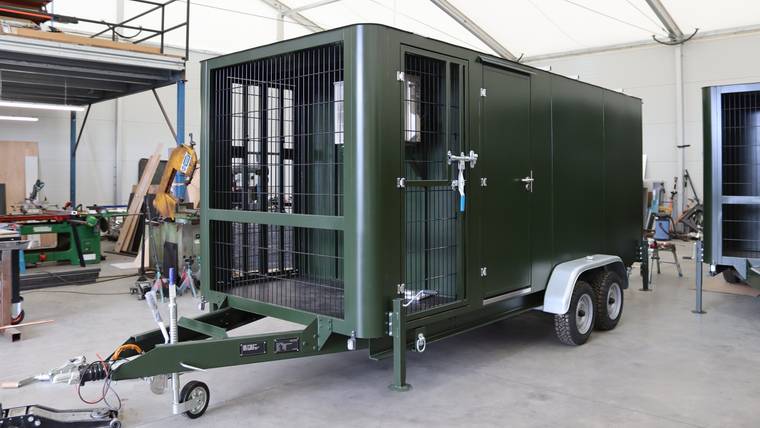
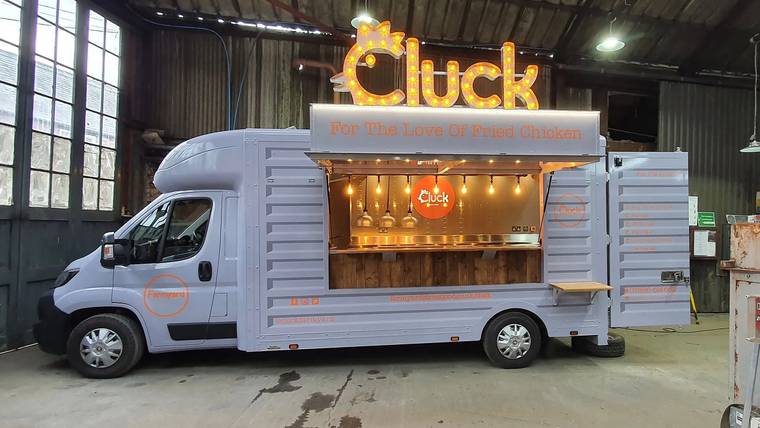
Rather than creating an installation that remains in one place, brands can develop a bespoke vehicle, trailer or container-based environment designed for deployment at multiple destinations.
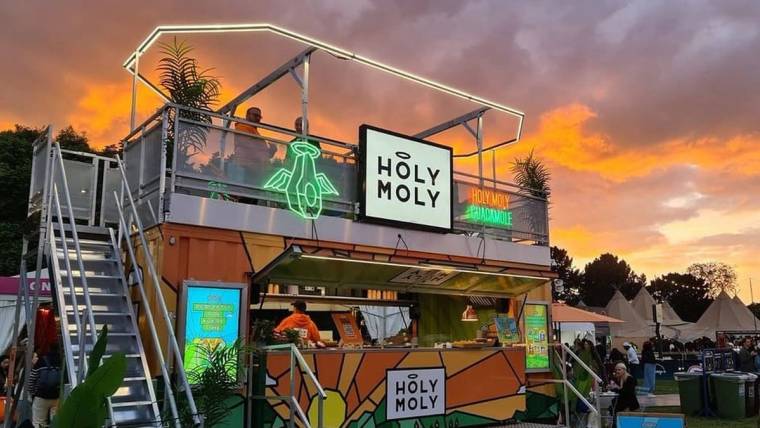
Potential applications include product launches, sporting events, festivals, promotional roadshows and temporary retail experiences.
For businesses planning a campaign across several locations, a reusable mobile structure can offer consistency in presentation while allowing the experience to travel.
However, mobility needs to be considered from the beginning.
A structure that looks impressive when fully deployed also needs to be practical to transport, position and prepare for use.
Designing spaces people want to explore
A successful activation needs more than strong branding.
The design should consider what visitors will actually do when they encounter the space.
Will they be invited inside? Will they interact with a product? Is there a demonstration area? Could the environment encourage conversations, participation or content creation?
The answers should influence the layout.
For example, a mobile showroom might require accessible product displays and clear routes through the space.
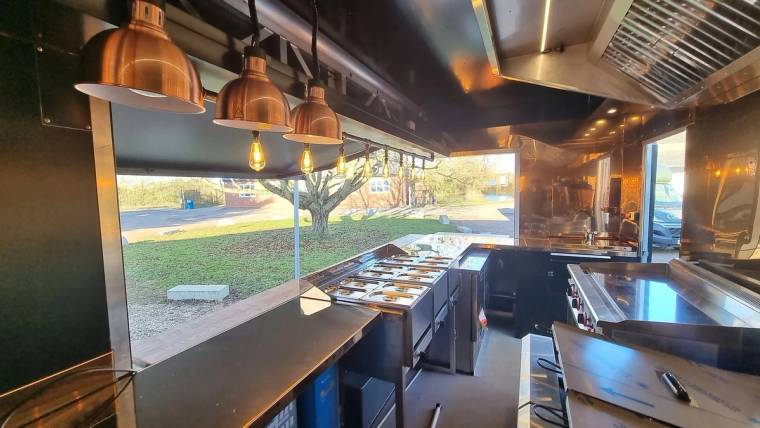
A sampling activation could benefit from a practical serving arrangement and sufficient storage.
A promotional roadshow might need flexible presentation areas, integrated displays or distinctive exterior features.
Designing around the intended experience helps ensure the finished structure is more than a branded backdrop.
Bespoke engineering creates new possibilities
Some of the most interesting mobile activations rely on engineering as much as visual design.
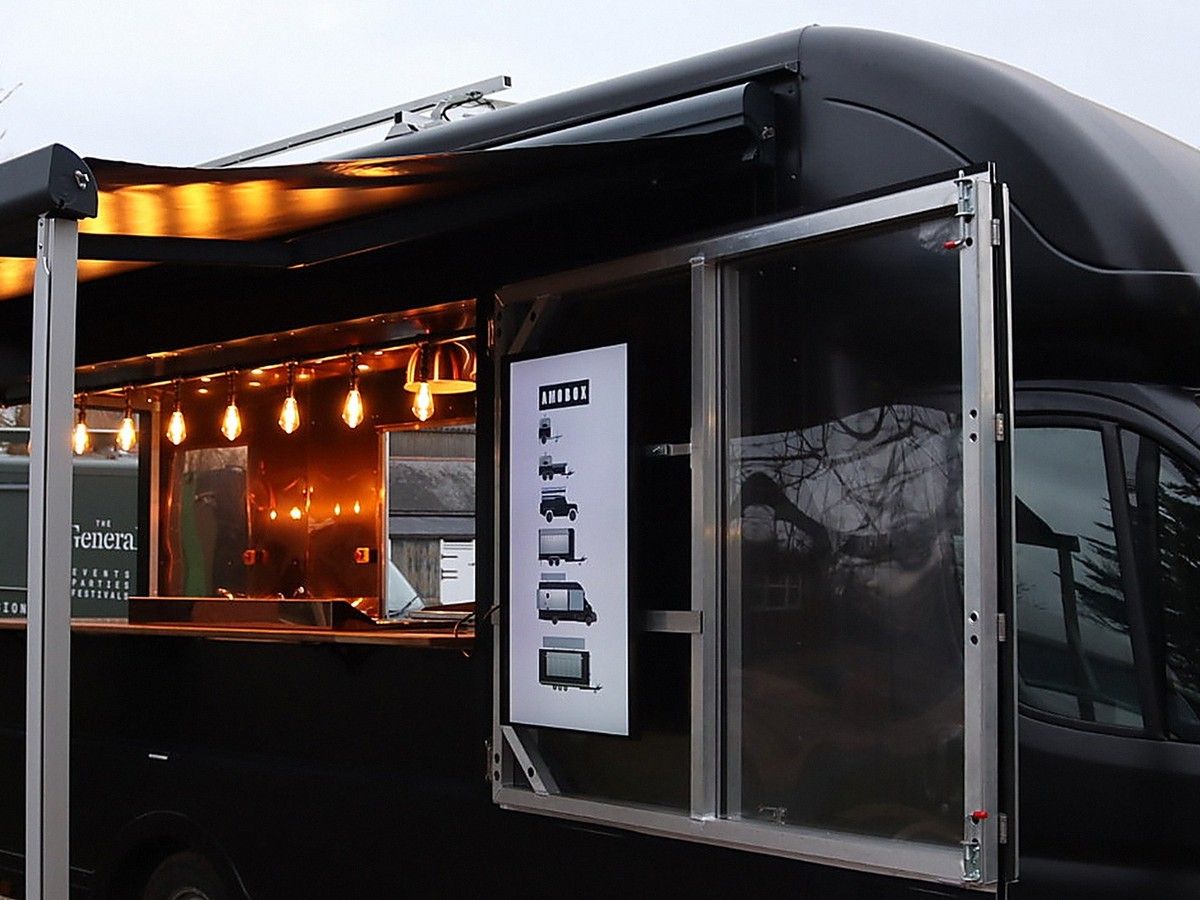
Slide-out counters can extend usable working space.
Fold-down platforms can create additional customer-facing areas.
Moving signage and opening structures can transform the appearance of a unit when it reaches its destination.
These features allow a relatively compact transportable structure to become a more substantial environment when deployed.
At AMOBOX, bespoke fabrication and engineering make it possible to explore solutions that go beyond conventional vehicle conversions.
The key is designing each feature around the practical requirements of the campaign, rather than adding complexity simply for visual impact.
Creating a consistent brand environment
The exterior of a mobile activation is often the first thing people notice.
Colour, signage, materials and structural design all influence the initial impression.
But the brand experience shouldn't stop at the entrance.
Interior finishes, equipment, lighting, customer flow and even storage arrangements contribute to how the space operates.
A strong activation brings these elements together so the experience feels considered from every angle.
For brands, this means thinking beyond where the logo will sit and considering how the physical environment communicates their identity.
Designing for more than one event
A bespoke activation can represent a significant investment, so it's worth considering its potential beyond a single campaign.
Could the same structure be used at multiple events?
Can branding elements be updated?
Might the interior layout accommodate different products or activities in the future?
Could equipment or display features be changed without rebuilding the entire unit?
Planning for flexibility from the outset can help a brand make better use of its investment.
Of course, not every activation needs to be adaptable. Some projects are created for a very specific purpose.
But where repeat use is part of the brief, it's worth discussing early in the design process.
Why physical experiences still matter
Digital marketing remains essential, but physical experiences offer opportunities that digital channels alone cannot replicate.
People can interact with products, meet the team behind a brand and participate in something tangible.
An engaging activation can also generate photography, video and social content that extends its reach beyond the people attending in person.
For brands, the opportunity is to connect physical and digital marketing rather than treating them as separate activities.
The experience happens on location, but the story can continue online.
Bringing an idea to life
Every successful brand activation begins with a clear objective.
Who is the audience? What should they experience? Where will the activation travel? How should the structure function once deployed?
These questions provide the foundation for design and engineering.
At AMOBOX, bespoke vehicles and structures can be developed around individual concepts, bringing together practical functionality, visual identity and specialist fabrication.
Whether the ambition is a compact promotional unit or a more complex mobile environment, the aim is the same: create something that works for the brand and the people experiencing it.